
Could you be private fostering without realising it?
By Maurizio Fallarino, Private Foster Care Senior Practitioner in Children’s Social Care
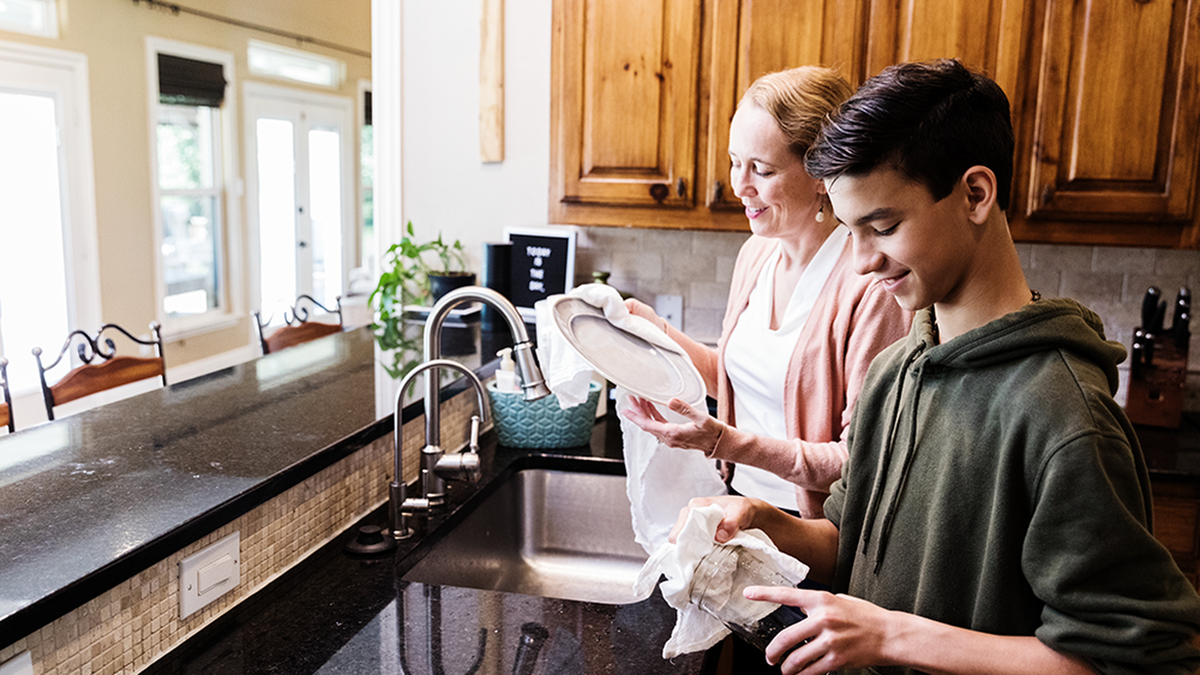
Have you ever helped a friend by looking after their child for a while? Perhaps a teenager is staying with another family because things aren't working out at home. Maybe a child has come to the UK to study and is living with a host family. If so, you may have come across private fostering without ever hearing the term.
Many people who are involved in private fostering arrangements don’t realise it. They simply see themselves as helping out family friends, providing a temporary home, or supporting a child through a difficult time.
So, what is private fostering?
Sometimes, children are cared for by someone who isn’t their parent or a close relative without a formal fostering arrangement – this is known as private fostering.
If a child has been looked after for more than 28 days and the arrangement has been made privately between the child’s parent and carer, it may be considered private fostering. This applies to any child under 16 (or 18 if the child has a disability) who is being cared for by someone who is not their parent, guardian or close relative. Close relatives include grandparents, siblings, aunts, uncles, or step-parents.
Private fostering, where children are cared for informally, still legally requires us to be told.
"I'm just helping out"
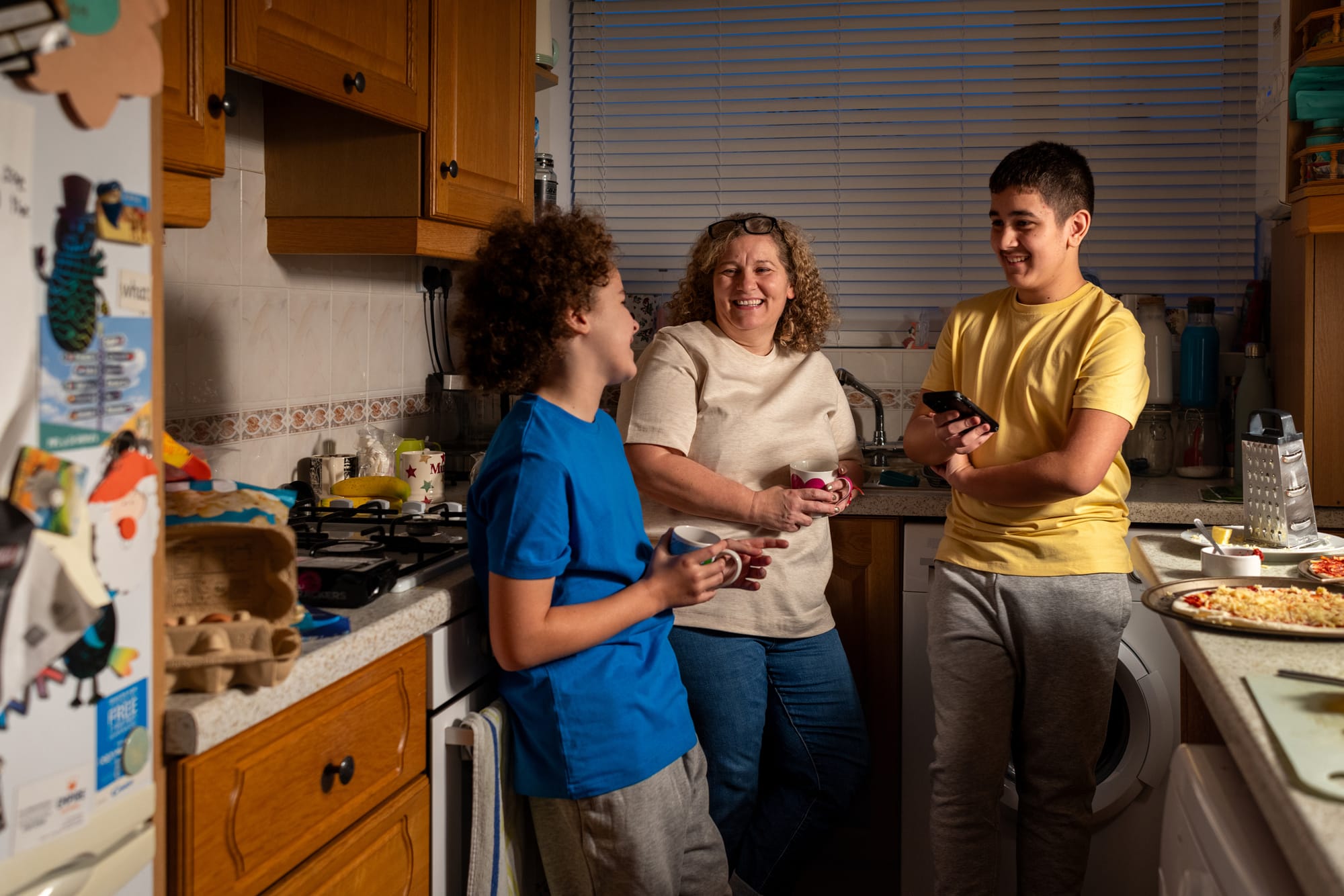
This is often the biggest reason private fostering goes unrecognised. You may have agreed to care for a friend's child while they deal with personal circumstances. A teenager might have moved in with another family following difficulties at home.
Parents working overseas may have arranged for their child to stay with trusted friends, or a child from another country may be living with a host family while studying in the UK.
These arrangements are often built on kindness, trust and a desire to do the right thing. It’s still important to let us know as it may be considered a private fostering arrangement.
Why do we need to know?
A common misconception is that contacting the council means someone has done something wrong but that isn't the case.
By law, we need to be told when someone has a private fostering arrangement in place. Telling us is a legal requirement so we can make sure the child is safe and well cared for. It also means:
- We can provide support for the child and carer
- Make regular, visits every six weeks to check on progress and answer any questions
- Be there if things change.
If the child is being cared for well, there is nothing to worry about. The law is there to ensure the right support is in place.
Do you know a child being looked after?
You don't have to be the child's parent or carer to help. If you know of a private fostering arrangement and believe we are not aware of it, get in touch. You can do this anonymously.
Raising awareness of private fostering helps us reach children and carers who may benefit from support, while making sure children remain safe and well cared for.
Find out more
You can find out more information about what private fostering is on our website www.oxfordshire.gov.uk/privatefostercare
If you want to get in touch to let us know about a private fostering arrangement, contact:
- Oxfordshire’s Multi-Agency Safeguarding Hub (MASH) on 0345 050 7666 or email mash-children@Oxfordshire.gov.uk.
- You can also call 01865 323 126 or email private.fostering@oxfordshire.gov.uk.
Comments ()