
How we’re working to control roadworks and keep our network moving
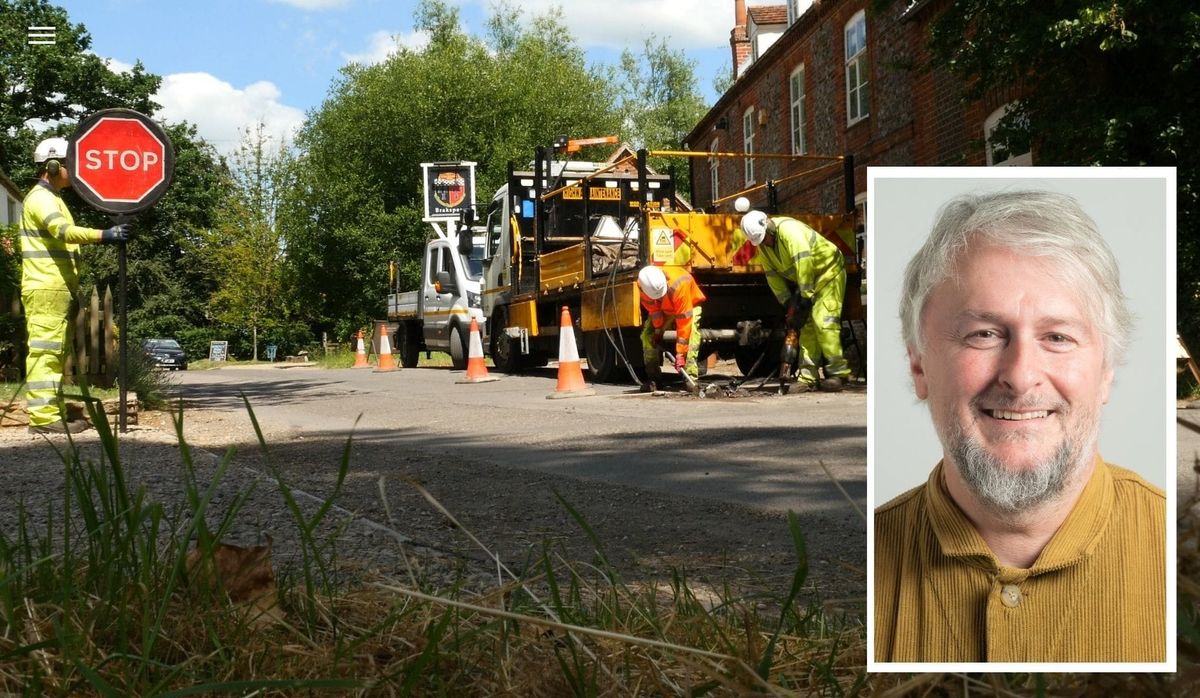
Councillor Gareth Epps is Oxfordshire County Council’s Cabinet Member for Transport
As we move into winter it’s important that as the highways authority, we do everything we can to keep our roads moving.
Along with many of our historic communities, the city of Oxford, especially, is susceptible to congestion and always has been. It’s a small, medieval city, not designed for 21st century levels of traffic.
Around the county, the rural nature of Oxfordshire means that many people depend on their cars. While we are improving public transport, walking and cycling, the funding simply isn’t there to connect everyone in the way we would like. This means that maintaining the road network is a huge priority.
During the winter months, we often see an increase in traffic incidents and emergency roadwork requests from utility firms – for things like burst water pipes and gas leaks – as well as our own highway maintenance teams carrying out essential repairs. If you spot something we need to know about, report it on Fix My Street.
We also see a lot of requests for roadworks to improve utility provision, often connected to permitted development: under government plans, there will be a lot more of this.
These are beyond our control but can have a major impact on other road users – closing lanes or even whole roads and delaying journeys.
One thing partly within our control, though, is the authorisation of routine or planned roadworks.
That’s why I have instructed our network management team to allow fewer projects to be permitted on our busiest roads over the winter. While this may mean that some infrastructure improvements take longer to deliver, it’s important we keep our network moving.
There is never a good time to close a lane or shut a road to carry out roadworks, however important the project is. But the winter months can be especially difficult, which is why I have decided to act.
We receive around 30,000 roadworks applications a year and each one is already reviewed to ensure the proposed work can be carried out safely, efficiently, and with the minimum of disruption to the public.
Permits are coordinated with other planned activities on the roads, and conditions may be applied to manage timing, traffic management, working methods, and network impact. Works are inspected to ensure conditions are being followed, and the council can issue penalties if these are not being complied with.
Another measure we have already introduced this year to reduce the impact of roadworks is a lane rental scheme.
This scheme, approved by the government, allows us to charge up to £2,500 per day for work on the busiest roads at peak traffic times. This incentivises those working on the highway to prioritise off-peak hours and to complete the work as quickly as possible to reduce their costs and keep vehicles, including bus routes, moving.
The lane rental scheme is already helping us manage work on Oxfordshire’s busiest roads and reduce unnecessary disruption. Where work takes place outside agreed permit arrangements, the council can, and has, taken appropriate action, including applying lane rental charges retrospectively.
On 20 October we discuss ratifying the arrangements for spending the surplus revenue that this scheme generates.
According to government requirements, half of any surplus should be invested in highway maintenance activity and the remaining 50 per cent reinvested in activity that supports the objectives of the scheme, including reducing disruption, improving network resilience and encouraging innovation in the management of street works.
People expect our essential utilities to be repaired – but people working and living in Oxfordshire also expect journeys to be as smooth as possible. It’s important that we focus our efforts on providing the best possible balance between these goals, as we work to make sure that our highway network is managed to be the best it can be.
Comments ()