
No two potholes are the same...and not all potholes are equal
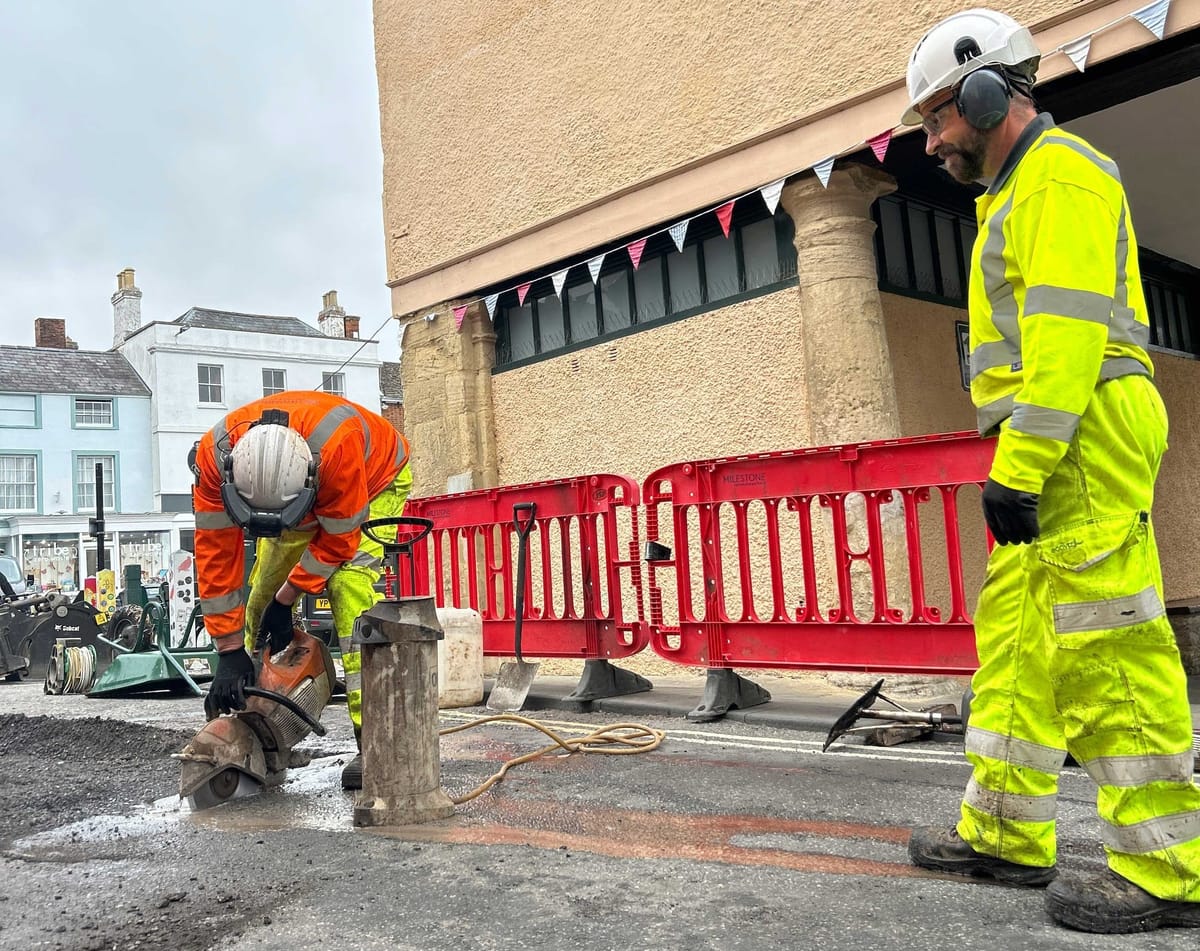
It’s a question we get asked a lot. “Why has the pothole down the road been repaired, but the one outside my house hasn’t?”
It isn’t random or based on who shouts loudest – it’s about managing risk with limited crews and budgets.
Each pothole is assessed based on the risk it poses, including:
- Depth and size
- Speed and volume of traffic on the road
- Location (for example near junctions, bends or in wheel tracks)
- Likely impact on cyclists, pedestrians and drivers
Repairs fall into different categories, with response times ranging from emergency repairs fixed within hours to lower risk defects that are scheduled into planned works.
The numbers are significant
Read more about why potholes are such a big problem this winter.
We are proactive in finding problems
We find potholes in two main ways:
1. Through regular highways inspections.
Oxfordshire’s roads are inspected on a routine schedule by trained highway inspectors. These inspections pick up defects whether or not anyone has reported them.
2. Through reports from residents
Around a quarter of all defects are reported by members of the public through FixMyStreet. These reports really do help, especially on quieter roads or footways where problems can develop between inspections.
Every single pothole you report is inspected and risk assessed. Not every defect needs immediate repair, but none are ignored.
Let’s work together to improve our roads
- Lets work together to improve our roads
- Report potholes on FixMyStreet.
- Upload photos. If they show the size (with something for comparison like a set of keys alongside them) and the location (so we can tell where they are in the road), we can assess them more easily. That saves us time because we don’t need to send out a crew to check them. So, by just including a couple of photos, you can help speed things up.
- Report early – small defects are easier and cheaper to fix.
- Bear with us when traffic management is needed to do the job properly.

Comments ()