
Why Oxford needs a transport system that works better for everyone
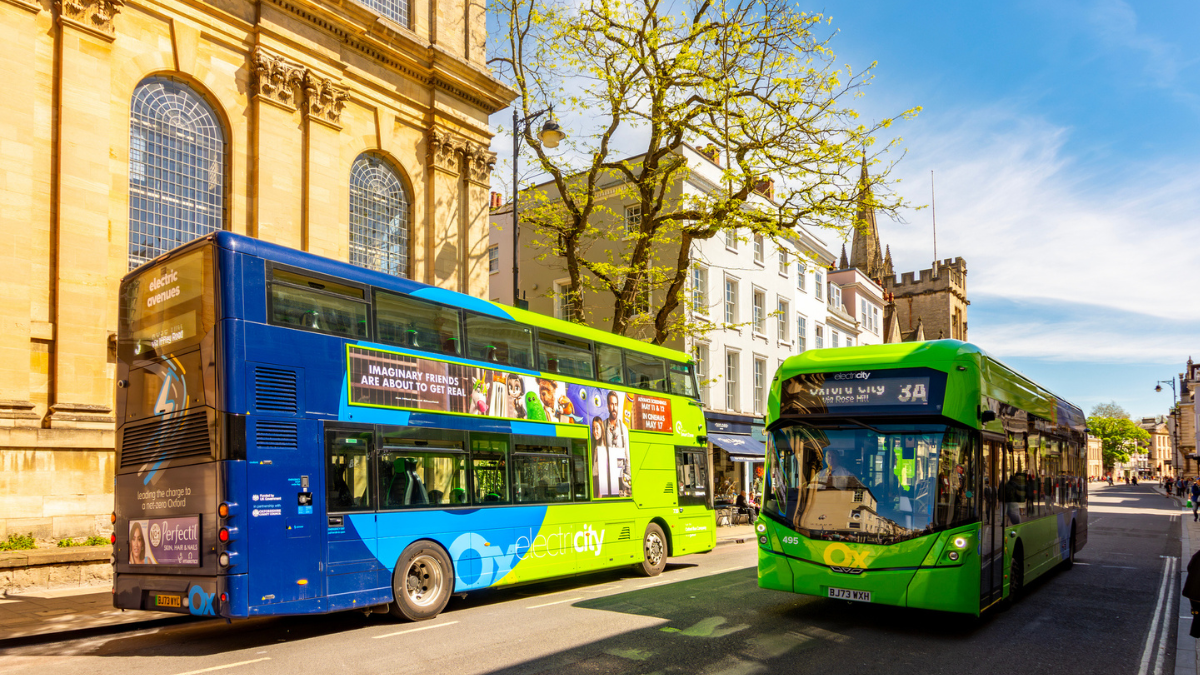
Oxford is a busy, vibrant historic city where people need to travel every day for work, education, healthcare, shopping, leisure and family life.
We know these journeys are not just lines on a map. They are school runs, hospital appointments, shifts at work, caring responsibilities, deliveries, visits to family and everyday errands.
When roads are busy, buses are delayed or familiar routes change, it can affect people’s time, stress levels and quality of life. That is why any changes we make need to be about improving daily journeys, not just managing traffic.
But getting around is not always easy. Congestion can make journeys slower, less reliable and more stressful — however you travel.
That is why we need to reduce the number of cars on the road and make walking, cycling, buses and park and ride better options for more journeys.
A transport system that gives people more choice
Most people want the same thing: journeys that are quicker, better connected and more reliable.
We want walking, cycling and public transport to feel like natural first choices – not because people are being told what to do, but because those options work well for everyday life.
We’re making this happen in different ways – investing where it matters most. Better bus services, safer cycling routes and more local travel connections can all help give people more choice about how and when they travel.
It’s simple. A reduction in congestion creates a healthier, more accessible and attractive county. Opening the door to new businesses and jobs, and increased opportunities.
It’s part of the Oxfordshire we’re building – and a change that will make a difference to all our lives.
Oxford has faced transport challenges for decades
Traffic problems in Oxford are nothing new. Like many historic towns and cities, Oxford has had to find ways to manage modern traffic on narrow streets, many of which are lined with listed buildings.
In the 1960s, major road building schemes were considered for the city. These included plans for an inner ring road through areas such as Christ Church Meadow and parts of Jericho.
Those plans were abandoned in the 1970s. Instead, Oxford took a different path. Rather than building more roads to accommodate more traffic, the city became one of the first in the UK to try to contain motor traffic.
Oxford went on to introduce ideas that were ahead of their time. It was home to the world’s first park and ride and was among the first UK cities to introduce cycle lanes and bus lanes. Parking charges increased, and parking controls were introduced in residential areas.
In the late 1990s, bus gates were introduced in the city centre, on the High Street and other places. Together with other changes, this helped increase the number of people using buses and Park & Ride to access the city centre from 27 per cent to 48 per cent.
Today, the amount of traffic coming into Oxford city centre is around 25 per cent lower than it was in the 1990s, even though the city’s population and number of jobs have grown substantially.
Why congestion is still a problem
Although Oxford has made progress, the city still faces major transport challenges.
Like many places in the south east, Oxford has a growing population and economy mean more people need to move around the city each day.
At the same time, Oxford’s historic streets have limited space, and vehicles are getting bigger.
This means congestion can still get worse, even when traffic levels are not rising significantly.
Cleaner air and lower emissions matter too
Transport accounts for around 17 per cent of Oxford’s carbon emissions. Air quality is improving as more drivers switch to low and zero emission vehicles.
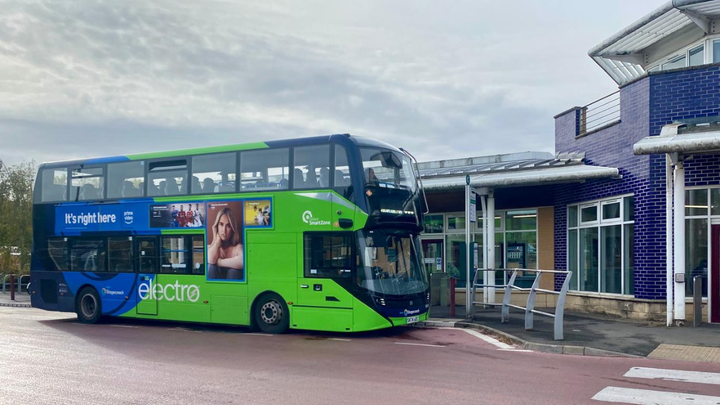
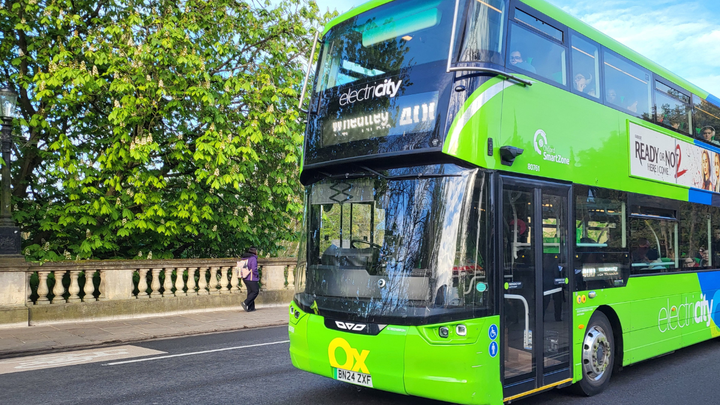
Oxford now has one of the largest electric bus fleets in the country, with around 70 per cent of bus mileage operated by electric buses.
But there is still more to do. Pollution levels still exceed World Health Organisation guidelines in many places, so reducing emissions remains an important part of improving health and quality of life.
We cannot build our way out of congestion
Just as decision makers recognised in the 1970s, Oxford cannot simply build its way out of congestion. There is limited space for new roads, bus lanes and cycle lanes.
That means we need to use the space we already have more carefully, so the city can stay open, accessible and easier to move around.
As long as congestion remains, public transport will be slower and less reliable than it needs to be. It will also be harder to provide the safe, joined-up cycle lanes needed to help more people feel confident travelling by bike.
And if the alternatives to driving do not improve, it is not realistic to expect more people to leave their car at home more often.
Why we introduced the congestion charge
We know congestion can make daily life harder. It can mean slower journeys, less reliable buses and busier roads for residents, businesses, visitors and people travelling through Oxford.
The traffic filters trial was due to start in November 2024. However, Botley Road needed to stay closed for longer while Network Rail continued work to replace the bridge. This meant the trial had to be delayed.
During this time, congestion in and around Oxford continued to cause delays and disruption. Residents, businesses and local organisations told us they wanted action to help keep the city moving.
We introduced the temporary £5 congestion charge as a short-term measure while Botley Road remained closed and before the traffic filters trial could begin.
About the charge
The aim of the congestion charge was to reduce traffic in the busiest parts of Oxford, while keeping every area of the city accessible for residents, visitors, businesses and essential services. Whether this was through a permit for cars, paying the congestion charge or vehicle exemptions.
We know the temporary congestion charge affects people in different ways, and that not everyone will feel the same about it. There have been some encouraging signs that it is helping make travel in and around Oxford easier for many.
- Bus journeys are showing promising improvements on key routes. This can help make buses a more reliable choice for people travelling into and around the city.
- More people are using buses. Go-Ahead has reported a 12 per cent increase in bus users in Oxfordshire between April and mid-June 2026 — around 20,000 more passengers every week.
- Park and ride journeys are also being well used. This helps reduce the number of cars heading into the city centre and gives people another option for getting around. The congestion charge has also helped fund free park and ride bus journeys. From mid-August, it will support a combined park and ride ticket for up to five people for £3.
- Fewer cars can mean cleaner air, less congestion, and streets that feel safer and more pleasant for people walking, wheeling, cycling, using public transport, or spending time in the city.
- Early business feedback is mixed, but there are positive signs. A survey of 300 businesses across OX1 to OX4 found that most said the congestion charge had either no effect or a positive effect. Of those who gave a view, 79 per cent said their business was performing the same or better than a year ago, while 30 per cent reported a negative effect.
We also recognise that any trial or temporary scheme can have downsides. Some routes may feel busier, including the ring road. Some people may have had longer journeys or noticed more traffic on nearby roads. We understand this can be frustrating, especially for people who need to travel by car or make regular journeys across the city.
Why we are going ahead with the traffic filters trial
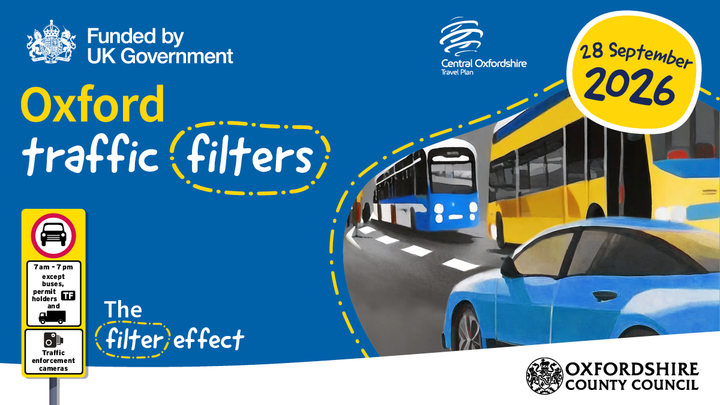
When the Botley Road reopens, we can move ahead with the traffic filters trial as planned.
The congestion charge was only a short-term measure and traffic filters are the next step. They are part of our wider plan to improve how people move around Oxford, support access to the city, and create a healthier, better-connected place for everyone.
You will still be able to reach every part of Oxford by car, but some journeys may need to take a different route. If you need to drive a car through a traffic filter, you will need a permit.
Read our traffic filters are replacing the congestion charge: what you need to know blog to find out how the trial could affect your journeys in the city.
We’ll be listening during the trial
The traffic filters trial is a chance to test how the scheme works in real life and understand what it means for people travelling in and around Oxford.
During the trial, we will listen carefully to residents, businesses, bus users, drivers and everyone who moves around the city.
Your feedback will help us see what is working well, what needs to change and how any future decisions should be shaped.
Looking ahead
Oxford has been making bold transport choices for more than 50 years. As we look to the future, we want to build on that history and learn from the congestion charge and traffic filters trial so we can find the best long-term way to manage traffic in and around the city.
Our aim is simple: to make it easier for people to choose how they travel, support cleaner air, reduce congestion and help Oxfordshire thrive.
Other blogs you might like:
 Oxfordshire County Council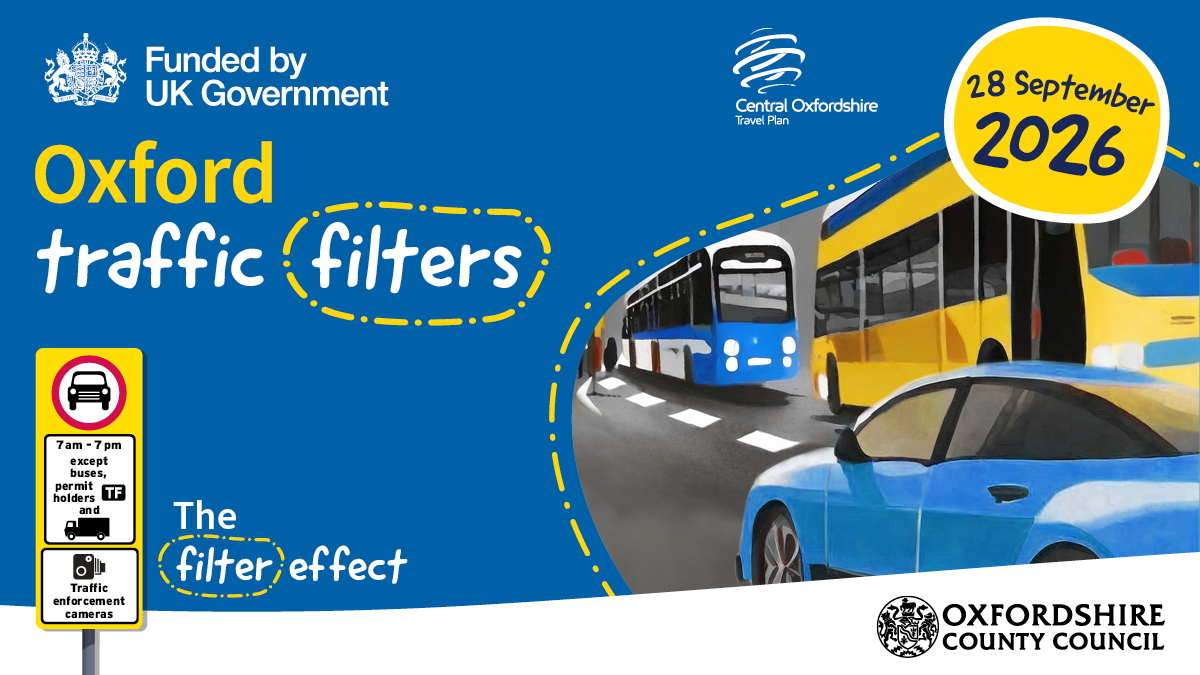
 Oxfordshire County Council
 Oxfordshire County Council
Comments ()